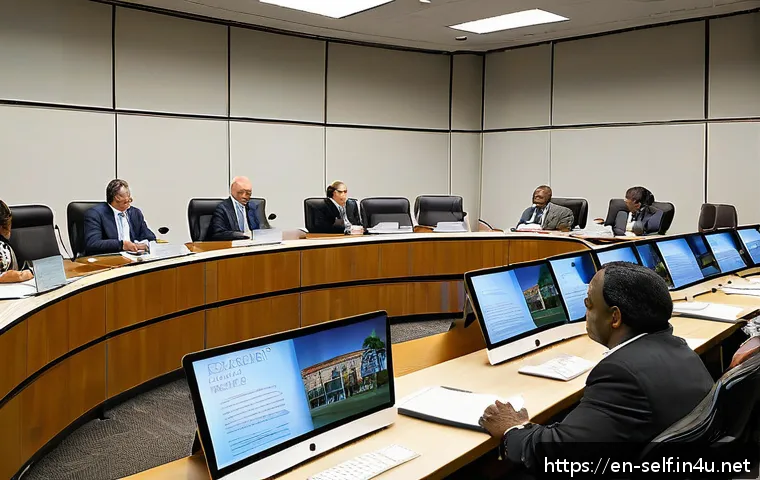
As we step into 2024, the landscape of public administration is evolving faster than ever, shaped by technological innovation and shifting societal needs.

If you’re considering a career that makes a real impact, now is the perfect time to explore emerging paths that blend policy, data, and community engagement.
From digital governance to sustainability roles, new opportunities are opening up for those ready to lead change. Stick around as we dive into the top career trends in public administration you won’t want to miss this year.
Whether you’re a student, a professional, or just curious, this guide will help you navigate the future of public service with confidence.
Harnessing Technology for Smarter Governance
Integrating AI and Automation in Public Services
The integration of artificial intelligence and automation into public administration is not just a trend but a necessity for modern governance. From streamlining citizen services to predictive analytics in policy-making, AI tools enable faster decision-making and resource optimization.
I’ve seen firsthand how chatbots and automated systems reduce wait times for public inquiries, significantly improving citizen satisfaction. However, the key lies in balancing automation with human oversight to maintain transparency and trust.
As AI continues to evolve, public administrators with technical acumen will be in high demand to design, implement, and monitor these systems effectively.
Data-Driven Policy Making and Analytics
Data is the new currency in public administration. Agencies are increasingly relying on big data and analytics to craft policies that are evidence-based and outcome-focused.
For example, analyzing traffic patterns can inform infrastructure investments, while health data can guide public health initiatives. In my experience, professionals who can translate complex datasets into actionable insights hold a competitive edge.
Skills in data visualization and statistical tools are becoming essential, enabling administrators to communicate findings clearly to stakeholders and the public, thereby enhancing accountability and impact.
Cybersecurity and Protecting Public Information
As public systems go digital, safeguarding sensitive information becomes a top priority. Cybersecurity roles in public administration involve protecting citizen data from breaches and ensuring the integrity of government operations.
I’ve encountered situations where a single vulnerability could compromise entire networks, so proactive security measures are critical. This area demands a blend of technical knowledge and policy understanding, as administrators must navigate legal frameworks while implementing robust security protocols.
The growing threat landscape guarantees that cybersecurity experts in the public sector will remain highly sought after.
Championing Sustainability and Environmental Policy
Driving Climate Resilience Programs
Public administrators are increasingly called upon to lead climate resilience initiatives that prepare communities for environmental challenges. This involves coordinating disaster preparedness, managing natural resources sustainably, and promoting green infrastructure.
In my observations, success in these roles requires collaboration across government agencies, private sectors, and local communities. The ability to mobilize diverse stakeholders and secure funding is just as important as technical expertise in environmental science.
Those passionate about sustainability will find rewarding opportunities to make tangible impacts on public well-being.
Implementing Green Energy and Resource Efficiency
The shift towards renewable energy and efficient resource management is reshaping public administration priorities. Roles focused on energy policy, waste reduction, and sustainable urban planning are expanding rapidly.
From facilitating solar panel installations on public buildings to promoting water conservation programs, these jobs blend policy knowledge with project management skills.
I’ve noticed that administrators who understand both environmental regulations and community engagement tend to drive more successful initiatives, fostering public support and achieving long-term sustainability goals.
Advancing Environmental Justice and Equity
Environmental justice is gaining prominence as an essential aspect of public policy. It addresses the disproportionate environmental burdens faced by marginalized communities.
Public administrators working in this space develop policies that ensure fair access to clean air, water, and green spaces. Drawing from personal experience, meaningful progress requires cultural competence, empathy, and a commitment to inclusive dialogue.
This emerging focus area invites administrators to be advocates and mediators, bridging gaps between policy objectives and community needs.
Enhancing Community Engagement through Digital Platforms
Leveraging Social Media for Public Dialogue
Social media has transformed how governments communicate and engage with citizens. Administrators skilled in managing these platforms can foster transparency, encourage feedback, and build trust.
I’ve seen how timely, authentic interactions on channels like Twitter or Facebook can defuse tensions and promote collaborative problem-solving. Yet, this requires constant vigilance to address misinformation and maintain respectful discourse.
Mastering digital communication strategies is becoming indispensable for modern public service professionals.
Virtual Town Halls and Participatory Governance
The rise of virtual town halls has democratized participation in local governance. These online forums allow broader, more convenient access for citizens to voice concerns and influence decisions.
From my experience attending and moderating such events, they can enhance inclusivity and responsiveness but also demand thoughtful facilitation to ensure productive dialogue.
Public administrators adept at organizing and moderating digital engagement platforms are pivotal in bridging government and community, especially in times of social distancing or geographic barriers.
Utilizing Mobile Apps for Service Delivery
Mobile applications have become powerful tools for delivering public services directly to citizens. Whether it’s reporting potholes, applying for permits, or accessing public health resources, these apps streamline interactions and increase efficiency.
I have found that well-designed apps with user-friendly interfaces significantly improve citizen satisfaction and reduce administrative burdens. Professionals who can oversee app development, user experience, and data security in public contexts are increasingly valuable as service expectations evolve.
Building Inclusive Policies with Social Equity Focus
Addressing Systemic Inequalities through Policy Reform
Public administrators are playing a crucial role in identifying and reforming policies that perpetuate systemic inequalities. This involves analyzing the impact of laws on various demographic groups and advocating for equitable solutions.
I’ve witnessed how data-driven equity assessments can reveal hidden disparities, guiding more just resource allocation. Administrators with a strong foundation in social justice and policy analysis are essential to advancing fairness and inclusivity in public programs.

Designing Programs for Marginalized Communities
Tailoring public programs to meet the unique needs of marginalized populations enhances effectiveness and trust. From affordable housing initiatives to workforce development, these efforts require cultural sensitivity and community collaboration.
Based on my experience volunteering with local nonprofits, successful program design involves listening to community voices and co-creating solutions.
Public administrators who embrace participatory approaches often achieve more sustainable and impactful outcomes.
Measuring Equity Outcomes and Accountability
Tracking the success of equity initiatives is critical for transparency and continuous improvement. Developing appropriate metrics and reporting frameworks helps ensure that policies deliver intended benefits.
I’ve found that incorporating qualitative feedback alongside quantitative data provides a fuller picture of progress. Administrators skilled in monitoring and evaluation foster a culture of accountability, reinforcing public trust and driving policy refinement.
Innovating Public Health Administration
Responding to Emerging Health Crises
The COVID-19 pandemic underscored the vital role of public health administrators in crisis response. Preparing for and managing health emergencies requires agility, coordination, and clear communication.
In my work supporting health outreach programs, I saw how strong leadership and data-driven strategies save lives. Future public health roles will emphasize pandemic preparedness, vaccination campaigns, and health equity, demanding professionals who can navigate complex healthcare systems and community dynamics.
Promoting Preventive Health and Wellness Programs
Beyond crisis management, public health administration increasingly focuses on prevention and wellness. Initiatives like chronic disease prevention, mental health promotion, and health education are gaining traction.
I’ve observed that integrating these programs with community partners and leveraging technology enhances reach and effectiveness. Administrators who can design, implement, and evaluate such programs contribute to healthier populations and reduced long-term healthcare costs.
Integrating Technology in Health Services
Digital health tools, including telemedicine and health information systems, are revolutionizing service delivery. Public health administrators must oversee technology adoption while ensuring accessibility and privacy.
From personal experience, successful integration depends on training staff and educating the public to build confidence in new platforms. Those with a blend of health expertise and tech savvy are poised to lead digital transformation in public health.
Modernizing Urban Planning and Infrastructure
Smart City Development and IoT Applications
Smart cities utilize IoT (Internet of Things) to optimize infrastructure, traffic, and energy use. Public administrators involved in these projects coordinate technology deployment and policy frameworks.
I’ve noticed that collaboration with tech companies and urban planners is essential to align innovation with public needs. This field offers exciting opportunities for those interested in shaping livable, efficient urban environments through cutting-edge solutions.
Addressing Affordable Housing Challenges
Affordable housing remains a critical concern in many urban areas. Public administrators work on policies that balance development, zoning, and social equity.
Drawing on my experience attending housing forums, effective strategies involve multi-sector partnerships and creative financing. Professionals skilled in negotiation, community engagement, and regulatory compliance are invaluable for addressing these complex challenges.
Improving Transportation Systems for Accessibility
Transportation policy increasingly focuses on accessibility and sustainability, including public transit enhancements and pedestrian-friendly designs.
From my perspective, successful projects require understanding diverse mobility needs and fostering public-private collaboration. Administrators who can navigate funding mechanisms and stakeholder interests help create inclusive transportation networks that support economic growth and quality of life.
| Career Trend | Key Skills | Typical Roles | Impact Areas |
|---|---|---|---|
| AI & Automation in Governance | Technical proficiency, ethics, policy design | AI Policy Analyst, Automation Coordinator | Efficiency, transparency, citizen services |
| Sustainability & Environmental Policy | Environmental science, stakeholder engagement | Climate Resilience Manager, Energy Policy Advisor | Climate action, resource management, equity |
| Digital Community Engagement | Communication, social media management | Digital Outreach Specialist, Community Liaison | Public participation, trust, transparency |
| Social Equity in Policy | Policy analysis, cultural competence | Equity Program Manager, Policy Reform Analyst | Inclusivity, fairness, accountability |
| Public Health Innovation | Health administration, crisis management | Health Program Coordinator, Digital Health Specialist | Emergency response, wellness, tech integration |
| Urban Planning & Infrastructure | Project management, urban design | Smart City Planner, Housing Policy Analyst | Livability, accessibility, sustainability |
In Conclusion
Embracing technology and innovation in public administration is essential for creating efficient, transparent, and inclusive governance. By integrating AI, advancing sustainability, and enhancing community engagement, public administrators can address today’s complex challenges effectively. Developing the right skills and maintaining a balance between technology and human insight will drive meaningful progress. The future of public service lies in adaptability and a commitment to equity and resilience.
Helpful Information to Keep in Mind
1. Continuous learning in AI and data analytics is crucial for modern public administration roles.
2. Collaboration across sectors and communities strengthens climate resilience and sustainability efforts.
3. Effective digital communication requires managing misinformation and fostering respectful dialogue.
4. Equity-focused policies benefit from cultural sensitivity and active community participation.
5. Integrating technology in health and urban planning enhances service delivery and quality of life.
Key Takeaways
Successful governance today depends on blending technological innovation with human-centered approaches. Public administrators must cultivate expertise in emerging tools while prioritizing transparency, inclusivity, and social equity. Building partnerships, maintaining cybersecurity, and measuring outcomes are vital to sustaining trust and achieving impactful results. Ultimately, a proactive, adaptable mindset will empower public servants to meet evolving societal needs effectively.
Frequently Asked Questions (FAQ) 📖
Q: uestionsQ1: What are the most promising career paths in public administration for 2024?
A: The landscape is rapidly shifting toward roles that combine technology and policy expertise. Careers in digital governance, data analytics for policy-making, and sustainability-focused public programs are gaining momentum.
From my experience attending recent conferences and networking with professionals, those who can leverage data to improve community outcomes or implement smart city initiatives are highly sought after.
If you’re tech-savvy and passionate about social impact, these areas offer exciting growth and influence.
Q: How can someone without a traditional public administration background break into these emerging roles?
A: It’s definitely possible, especially if you build skills in data analysis, project management, or environmental policy. I’ve seen peers successfully transition by taking online courses in data science or sustainability and volunteering with local government projects.
Demonstrating your ability to navigate digital tools and collaborate across sectors often makes a big difference. Plus, internships or fellowships in innovative public agencies can open doors that traditional pathways might not.
Q: What skills are essential to stay competitive in public administration careers this year?
A: Beyond foundational knowledge of policy and governance, adaptability and tech literacy are crucial. Being comfortable with data visualization software, understanding AI’s role in public services, and having strong communication skills to engage diverse communities stand out.
From what I’ve observed, employers value candidates who can not only analyze complex information but also translate it into actionable strategies that resonate with stakeholders.
Emotional intelligence and cultural awareness also help build trust and foster collaboration in today’s dynamic public sector.