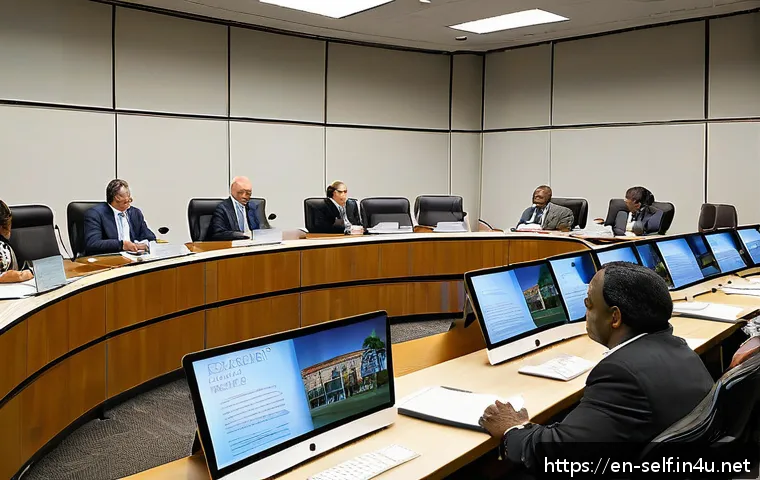
In today’s rapidly evolving political landscape, local governance plays a more critical role than ever before. As communities face complex challenges—from infrastructure upgrades to social equity—having practical skills to navigate these issues is essential.
Whether you’re an aspiring public servant or a community advocate, mastering hands-on techniques can transform your impact. This guide dives deep into real-world applications that empower you to lead effectively and make a tangible difference.
Stick around, and you’ll discover actionable insights that can elevate your local leadership journey.
Building Effective Community Engagement Strategies
Understanding Your Community’s Needs
Getting to know the people you serve is the foundation of meaningful governance. It’s not just about demographics or statistics—it’s about listening to real voices and stories.
When I started volunteering at local town halls, I realized how diverse concerns can be within a single neighborhood. Some residents prioritize safety and clean parks, while others focus on affordable housing or public transportation.
Conducting surveys, hosting informal coffee chats, or even walking the streets helps to gather this invaluable insight. The key is to approach these conversations with genuine curiosity, not just as a box-ticking exercise.
Creating Inclusive Platforms for Dialogue
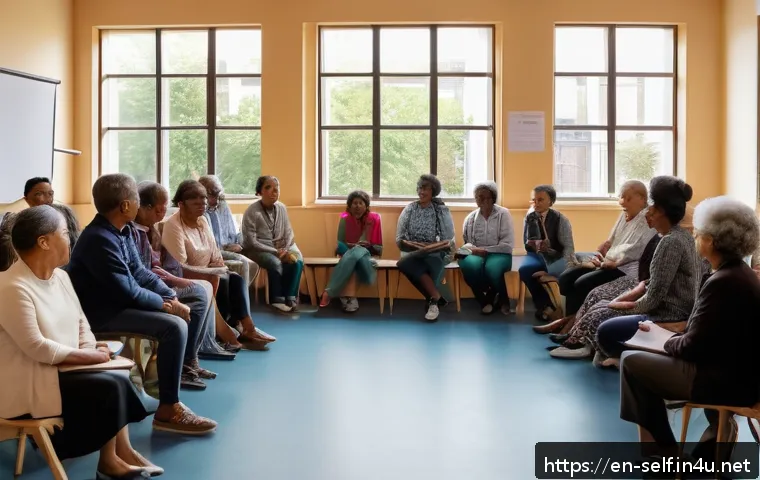
Once you understand the community’s needs, the next step is ensuring everyone feels heard. This means breaking down barriers that often exclude marginalized groups—whether due to language, mobility, or schedule constraints.
I’ve seen how holding meetings at accessible locations and offering virtual attendance options can dramatically increase participation. Additionally, using clear, jargon-free language and providing translation services encourages wider involvement.
Remember, engagement isn’t just about numbers; it’s about creating a space where people feel safe and empowered to share their ideas.
Leveraging Digital Tools for Broader Reach
Technology has become a game-changer in local governance, especially for community engagement. Social media platforms, community apps, and email newsletters allow leaders to connect with residents instantly and gather feedback in real time.
From my experience helping organize neighborhood events, setting up a dedicated Facebook group or a Nextdoor page created a sense of belonging and rapid information exchange.
However, it’s important to balance digital outreach with in-person efforts to avoid leaving behind those who are less tech-savvy or lack internet access.
Mastering Budget Planning and Resource Allocation
Assessing Financial Priorities with Transparency
Local budgets are often tight, and every dollar counts. I’ve learned that transparency in budget planning not only builds trust but also invites community input on priorities.
Hosting budget workshops where residents can see the breakdown of expenditures and suggest adjustments leads to more informed decisions. For instance, if a community expresses a strong desire for improved street lighting, reallocating funds from less urgent projects becomes easier with clear communication.
Optimizing Funds through Collaborative Partnerships
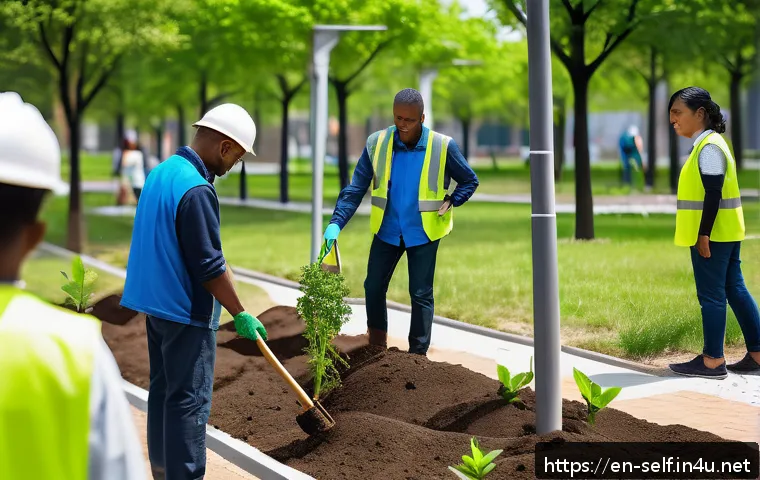
One of the most effective ways to stretch limited resources is partnering with nonprofits, businesses, and other government agencies. When I coordinated a public park renovation, collaborating with a local environmental group provided both expertise and volunteer labor, significantly reducing costs.
These partnerships also open doors for grant opportunities and shared funding, which can amplify the impact of your projects.
Implementing Monitoring Systems for Accountability
Budgeting doesn’t end at allocation—it requires ongoing monitoring to ensure funds are used as intended. Setting up simple tracking tools or dashboards accessible to both officials and the public helps catch inefficiencies early.
In my role as a community advocate, I’ve seen how monthly financial reports and public forums create a culture of accountability, discouraging waste and encouraging better spending practices.
Enhancing Policy Development through Data-Driven Decisions
Collecting Reliable Local Data
Data is power, but only if it’s accurate and relevant. I’ve found that combining official statistics with grassroots data collection—like community surveys or citizen reports—paints a fuller picture of local issues.
For example, crime rates reported by police might not reflect residents’ perceptions of safety, so blending these sources leads to more effective policies.
Analyzing Trends to Anticipate Future Needs
Understanding current data is just the start. Identifying trends helps leaders anticipate challenges before they escalate. When I worked on transportation planning, noticing a gradual rise in bike commuters led to proactive investments in bike lanes and safety campaigns.
This kind of foresight saves money and improves quality of life.
Communicating Data Insights Clearly
Presenting complex data to the public can be tricky. I’ve learned that using simple visuals like charts or infographics, along with plain language explanations, makes information accessible to everyone.
Clear communication fosters trust and encourages community members to engage in policy discussions confidently.
Developing Crisis Management Skills for Local Leaders
Preparing Emergency Response Plans
Crises rarely give warnings, but preparation can make all the difference. From personal experience during a severe flood event, having a well-documented emergency response plan ensured rapid coordination among local agencies, volunteers, and residents.
These plans should cover evacuation routes, communication protocols, and resource distribution.

Training Teams for Swift Action
A plan is only as good as the people who execute it. Regular training drills for municipal staff and volunteers build confidence and smooth coordination.
When I participated in a community emergency simulation, the hands-on practice revealed gaps in communication that were quickly fixed before a real disaster occurred.
Engaging the Community in Preparedness
Crisis management isn’t just the government’s job. Encouraging residents to prepare their own emergency kits and know evacuation procedures builds resilience.
I’ve seen how neighborhood workshops and social media campaigns raise awareness effectively, turning passive observers into active participants.
Implementing Sustainable Infrastructure Projects
Assessing Environmental Impact Early
Sustainability is no longer optional in local projects. I’ve been involved in planning a new community center where early environmental assessments helped us choose materials and designs that reduced carbon footprint and energy use.
This upfront effort saves costs and aligns with growing community values.
Incorporating Green Technologies
From solar panels to rain gardens, green technologies offer practical benefits and positive public relations. In one project, installing solar-powered streetlights not only cut energy bills but also attracted local media attention, boosting community pride.
Exploring innovative solutions like these can set your locality apart.
Ensuring Long-Term Maintenance Plans
Sustainability extends beyond construction. I’ve noticed that many projects fail because maintenance isn’t factored in early. Creating clear maintenance schedules and budgets prevents deterioration and costly repairs, ensuring infrastructure serves the community for years to come.
Strengthening Interdepartmental Collaboration
Breaking Down Silos between Departments
Local government departments often work in isolation, which can slow progress. I experienced this firsthand when trying to coordinate housing and transportation initiatives.
Facilitating regular interdepartmental meetings and shared project management tools helped break down barriers and foster teamwork.
Encouraging Joint Problem-Solving Sessions
Complex issues require diverse perspectives. Organizing joint workshops or brainstorming sessions encourages creative solutions and shared ownership. For example, involving public health officials in urban planning discussions led to healthier community designs in my city.
Establishing Clear Communication Channels
Effective collaboration depends on clear, consistent communication. Setting up dedicated communication channels—whether through internal chat platforms or shared document repositories—helps keep everyone on the same page.
I’ve seen how this reduces misunderstandings and accelerates decision-making.
| Key Local Governance Skills | Practical Application | Benefits |
|---|---|---|
| Community Engagement | Hosting accessible meetings, using social media groups | Increased participation, stronger trust |
| Budget Planning | Transparent workshops, partnerships with nonprofits | Better resource allocation, expanded funding |
| Data-Driven Policy | Combining official data with community surveys | More accurate policies, proactive solutions |
| Crisis Management | Emergency plans, community preparedness campaigns | Faster response, greater resilience |
| Sustainable Infrastructure | Environmental assessments, green tech adoption | Lower costs, positive environmental impact |
| Interdepartmental Collaboration | Regular meetings, shared communication tools | Improved efficiency, innovative problem-solving |
Conclusion
Effective community engagement and local governance require genuine connection, transparency, and collaboration. By listening carefully and using data-driven strategies, leaders can create meaningful change that reflects the community’s true needs. Building trust and fostering cooperation across departments ensures sustainable progress. Embracing innovation while maintaining personal outreach strengthens resilience and inclusivity for everyone involved.
Helpful Information
1. Prioritize active listening to understand diverse community perspectives beyond basic demographics.
2. Use accessible and inclusive communication methods to ensure broad participation.
3. Balance digital tools with face-to-face interactions to engage all residents effectively.
4. Foster partnerships to maximize resources and share expertise.
5. Regularly review and communicate financial plans to maintain accountability and trust.
Key Takeaways
Successful local governance hinges on authentic engagement, transparent budgeting, and informed policy-making. Leaders should cultivate inclusive dialogue platforms and leverage both data and community input to anticipate future needs. Crisis preparedness and sustainable infrastructure planning are essential for long-term resilience. Finally, breaking down departmental silos through clear communication and teamwork accelerates problem-solving and enhances service delivery.
Frequently Asked Questions (FAQ) 📖
Q: uestionsQ1: What practical skills are most important for effective local governance?
A: From my experience, communication and conflict resolution top the list. You need to engage with diverse community members, understand their concerns, and build consensus.
Project management skills are equally crucial since you’ll often oversee infrastructure projects or social programs. Also, budgeting and financial literacy help ensure resources are allocated efficiently.
These hands-on abilities enable leaders to respond promptly and thoughtfully to local needs.
Q: How can community advocates make a real impact without holding public office?
A: Great question! Being a change-maker doesn’t require a formal title. Advocates can organize grassroots campaigns, attend local council meetings, and collaborate with officials to voice community priorities.
Building strong networks with residents and stakeholders amplifies influence. I’ve seen advocates who leverage social media to raise awareness and mobilize support, driving meaningful policy shifts from the ground up.
Persistence and relationship-building are key.
Q: What challenges should new local leaders expect, and how can they overcome them?
A: New local leaders often face skepticism, limited budgets, and competing interests. It can feel overwhelming at first. My advice is to start small—focus on achievable goals that build trust and momentum.
Seek mentorship from experienced officials and stay transparent with your community. Flexibility and patience go a long way, as does learning to navigate bureaucracy without losing sight of your vision.
Over time, these strategies help turn challenges into opportunities for lasting change.